
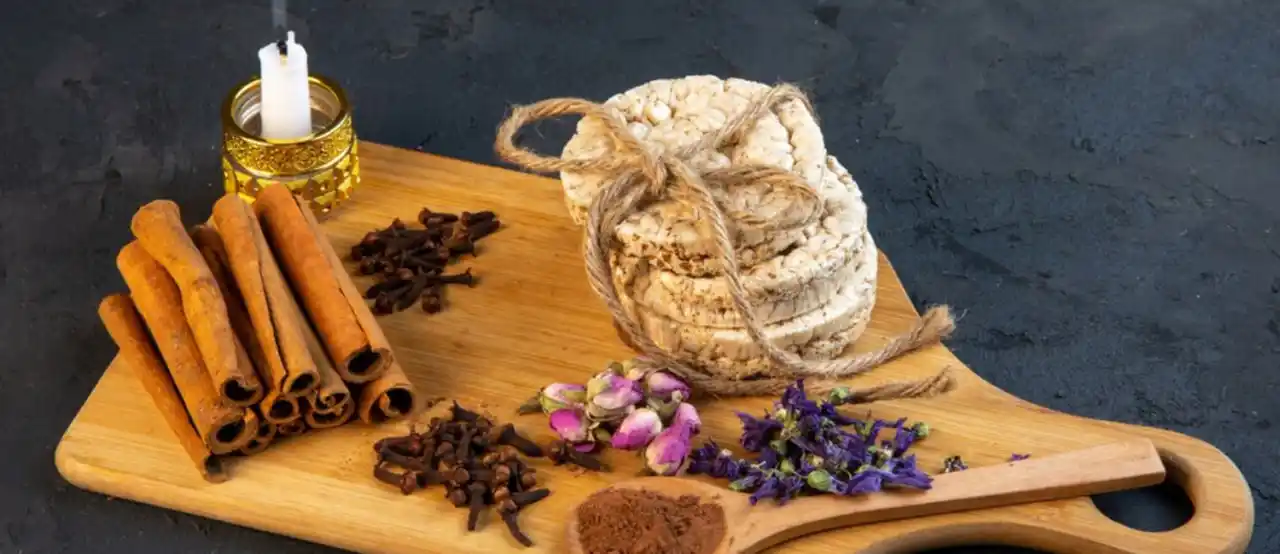
Insulin resistance occurs when the body’s cells do not respond effectively to insulin, making it harder to regulate blood glucose. It can increase the risk of prediabetes and type 2 diabetes, so understanding the available management options is important. Alongside medical advice and lifestyle changes, some people explore Chinese herbs for insulin resistance as part of a broader approach to wellbeing.
Traditional Chinese Medicine (TCM) uses individual herbs and herbal formulas according to a person’s symptoms and health history. However, traditional use does not automatically mean a herb has been proven to lower blood sugar or reverse insulin resistance. Research into herbal products varies in quality, and some can interact with medicines. Any herbal approach should therefore be discussed with your GP or pharmacist before use.
What is Insulin Resistance?
Insulin is a hormone that helps glucose move from the bloodstream into the body’s cells, where it is used for energy. When cells become less responsive to insulin, the body may need to produce more insulin to help keep blood glucose within a healthy range. Over time, insulin resistance can be associated with prediabetes and type 2 diabetes.
Insulin resistance does not always cause noticeable symptoms. Some people discover it through blood tests or during a health assessment. Tiredness, increased thirst and frequent urination can have different causes, so symptoms alone cannot confirm insulin resistance.
If you are concerned about your blood glucose or diabetes risk, speak with your GP about appropriate testing and follow-up. Medical assessment is important even if you feel well.
How Does Chinese Medicine Approach Insulin Resistance?
In Traditional Chinese Medicine, practitioners assess a person’s overall presentation, which may include digestion, sleep, energy levels and other reported symptoms. Traditional diagnostic frameworks may inform whether Chinese herbal medicine is considered appropriate.
This approach differs from conventional medical diagnosis. TCM assessment cannot measure blood glucose, diagnose diabetes or replace laboratory testing. There is also no single herbal formula suitable for everyone with insulin resistance.
Research into Chinese herbal medicine for blood sugar management is ongoing. Some herbs and plant compounds have been investigated for possible effects on glucose regulation, but the evidence is not strong enough to establish Chinese herbal medicine as a reliable treatment for diabetes. Results from one study also cannot be assumed to apply to every herbal formula or commercially available product.
Chinese Herbs Studied for Blood Sugar and Metabolic Health
Several herbs and plant compounds have been investigated in research relating to blood glucose. The evidence varies, and these examples are for information only, not recommendations for self-treatment.
1. Berberine
Berberine is a plant-derived compound found in certain plants and sold in some supplements. Research has explored its potential effects on blood glucose and insulin resistance, including in people with type 2 diabetes. Some findings are promising, but studies vary in quality, formulation and dosage, so clear conclusions remain limited.
Berberine should not be described as “natural metformin”. It is not equivalent to prescription diabetes medication and may interact with medicines. It should not be used during pregnancy or breastfeeding. Speak with your healthcare professional before considering a berberine supplement.
2. Cinnamon
Cinnamon has been investigated for possible effects on fasting blood glucose and other metabolic measures. However, studies have reported mixed findings, and the type of cinnamon, amount used and preparation can differ. Using cinnamon in food is not the same as taking a concentrated supplement.
Cinnamon should not be relied on as a treatment for diabetes or as a substitute for recommended care. Concentrated products may also be unsuitable for some people, depending on their health history and medicines.
3. Ginseng
Some studies have examined ginseng in relation to blood glucose management. The evidence is not conclusive enough to recommend it as a treatment for insulin resistance or diabetes. Different ginseng products may also have different compositions, making results difficult to compare.
People taking diabetes medication or other prescribed medicines should seek professional advice before using ginseng supplements.
4. Bitter Melon
Bitter melon has been studied for its possible effects on glucose metabolism. However, research remains limited, and it has not been established as a reliable treatment for diabetes. Concentrated products may also carry risks, particularly when combined with medicines that lower blood glucose.
What About Astragalus and Jiaogulan?
Astragalus and Jiaogulan are discussed in traditional herbal practices and some research on metabolic health. There is not enough reliable evidence to say that either herb consistently reduces insulin resistance or controls diabetes.
These herbs should not be treated as proven solutions. Their suitability depends on the individual, the product and potential interactions with medicines. A qualified practitioner and your usual healthcare team can help you assess the risks before considering any herbal product.
Is There a Best Chinese Tea for Diabetes?
There is no established best Chinese tea for diabetes that has been proven to treat the condition or replace prescribed medication. Unsweetened tea may be a drink choice for some people, but herbal teas and concentrated herbal products are not interchangeable. Their ingredients and strengths can vary, and some may affect blood glucose or interact with medication.
If you are considering herbal tea while managing insulin resistance, check the ingredients and discuss potential risks with your GP or pharmacist. This is particularly important if you take diabetes medication, are pregnant or breastfeeding, or have an existing health condition.
A tea or herbal drink should not be used as a substitute for medical care. Do not stop or adjust prescribed medication to try a tea or supplement.
Can Herbs Reduce Insulin Resistance or Help With Weight Loss?
People often explore herbal products to support blood glucose management or weight management. However, there is insufficient reliable evidence to recommend a particular Chinese herb as a proven solution for either goal.
Herbal supplements should not be promoted as a shortcut to weight loss or as a way to reverse insulin resistance. Products marketed with guaranteed results deserve particular caution, especially when they claim to replace established diabetes treatment.
If weight management is relevant to your health, your GP or an accredited practising dietitian can help you develop a suitable plan. Regular physical activity, balanced eating, adequate sleep and appropriate medical care can all form part of managing metabolic risk.
TCM Treatment for Diabetes: What Should You Know?
Traditional Chinese Medicine may be explored as complementary care, but it has not been established as a replacement for standard diabetes management.
A healthcare professional can assess your blood glucose, discuss your risk factors and recommend appropriate monitoring or treatment. If you are considering Chinese herbal medicine alongside your current care, tell your GP or pharmacist exactly which products you are thinking of using. This helps them assess potential interactions and whether closer monitoring is needed.
Do not stop, reduce or delay prescribed diabetes medication because you are using herbs, tea or acupuncture. Continue your recommended appointments and blood tests, and follow your healthcare professional’s advice about managing your condition.
Lifestyle Measures That Support Metabolic Health
Lifestyle changes are an important part of managing insulin resistance and reducing the risk of type 2 diabetes. Your healthcare professional can help you identify changes that are appropriate for you.
- Choose balanced meals: Include a variety of vegetables, whole grains, fibre-rich foods and suitable protein sources.
- Stay physically active: Choose activities that fit your ability and routine. If you have a medical condition or are new to exercise, ask your healthcare professional what is appropriate.
- Discuss weight management if relevant: A GP or accredited practising dietitian can help you set realistic goals without relying on unproven supplements.
- Attend recommended health checks: Blood tests and follow-up appointments help assess glucose levels and monitor changes over time.
- Review supplements and medicines: Tell your healthcare team about all herbal products, teas and supplements you use.
These measures can support a broader plan for metabolic health, but they do not replace individual medical advice or prescribed treatment.
Chinese Herbal Medicine in Perth: What to Consider
If you are considering Chinese medicine in Perth, choose a practitioner who asks about your medical history, current medicines and health goals. Be clear about any diagnosis of prediabetes or diabetes, and continue to work with your usual healthcare team.
The ON Acupuncture provides personalised Chinese herbal medicine consultations at its clinic in Willetton, Perth. The clinic’s official service information explains that herbal formulas are selected according to individual symptoms, health history and treatment goals. Herbal prescriptions should be discussed with a qualified practitioner, particularly if you take medication or have an existing health condition.
Read more about the clinic’s Chinese herbal medicine in Perth service to understand its approach and consultation process. A consultation should not replace GP assessment, blood tests or prescribed diabetes care.
If you would also like to learn about the clinic’s Acupuncture in Perth service, review the service information separately. Acupuncture should not be presented as a proven treatment for insulin resistance or as a substitute for diabetes care.
Frequently Asked Questions
Are Chinese herbs safe for insulin resistance?
Safety depends on the herb, product, dose, health history and medicines a person takes. Some herbal supplements can cause side effects or interact with prescribed medication. Discuss any product with your GP or pharmacist before using it.
Can Chinese herbal medicine lower blood sugar?
Some herbs have been studied for possible effects on blood glucose, but current evidence is not strong enough to conclude that Chinese herbal medicine reliably controls diabetes. Do not use herbs in place of medical treatment.
How long does it take for Chinese herbs to work?
There is no reliable timeline that applies to everyone. Effects may vary by product and person, and there is insufficient evidence to promise that blood glucose or insulin resistance will improve within a particular number of weeks. Follow your healthcare professional’s monitoring advice.
Can Chinese herbs replace metformin or other diabetes medication?
No. Do not stop or change prescribed medication without advice from the clinician who manages your diabetes. Some herbs may interact with diabetes medicines, so discuss their use with your healthcare team.
Is herbal tea enough to manage diabetes?
No herbal tea has been established as a replacement for diabetes treatment. If you want to drink an herbal tea or use a concentrated product, check its ingredients and discuss it with your healthcare professional.
Can Chinese herbs help with insulin resistance and weight loss?
There is insufficient reliable evidence to recommend a particular Chinese herb as a proven treatment for insulin resistance or weight loss. A GP or accredited practising dietitian can help you choose an evidence-based approach to your health goals.
Conclusion
Chinese herbs for insulin resistance remain an area of research, and no herbal remedy has been established as a reliable replacement for diabetes care. Before trying herbal supplements or teas, speak with your GP or pharmacist about possible risks and interactions, especially if you take medication to manage blood glucose levels.
At The ON Acupuncture in Willetton, Perth, you can learn about the clinic’s herbal medicine consultations and discuss whether they may suit your individual needs. Any complementary approach should be considered alongside professional medical advice and recommended monitoring.
For appointment enquiries, visit the contact and online booking page.
References







 Call Now

 Book Now