
Introduction:
Period cramps can range from mild discomfort to pain that affects work, sleep and everyday activities. While heat packs, gentle movement and appropriate pain relief can help manage symptoms, some people also explore complementary therapies such as cupping.
Cupping is a traditional therapy used in Traditional Chinese Medicine (TCM). It involves placing cups on the skin to create suction. However, research on cupping is limited, and there is not enough high-quality evidence to confirm that it relieves menstrual cramps specifically.
If you are considering cupping for menstrual cramps, it is important to understand what the therapy involves, what the evidence says and whether it may be appropriate for you, particularly during your period.
Understanding Cupping Therapy
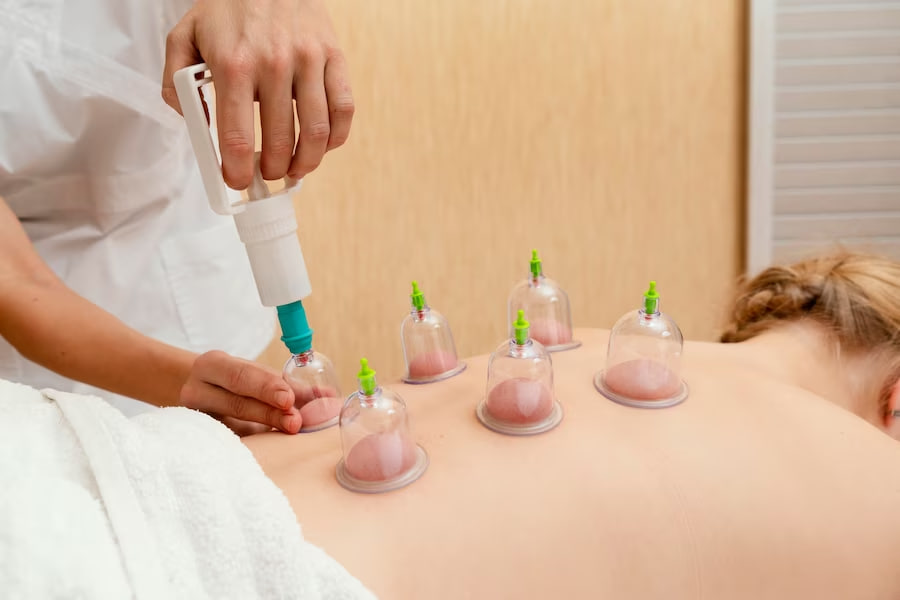
Cupping therapy uses specially designed cups to create suction on selected areas of the skin. The suction draws the skin upwards and may leave temporary circular marks.
There are different methods of cupping. Dry cupping creates suction without piercing the skin, while wet cupping involves puncturing the skin and drawing blood into the cup. These methods have different safety considerations.
In Traditional Chinese Medicine, cupping is used as part of a broader approach to health and wellbeing. A practitioner may consider a person’s symptoms, health history and treatment goals before recommending a suitable approach.
The ON Acupuncture offers Cupping Therapy in Perth as part of its treatment services. The clinic’s website describes potential uses such as supporting relaxation and easing muscular tension. These general uses should not be interpreted as proof that cupping treats period pain.
Cupping for Period Cramps: What Does the Evidence Say?
Menstrual cramps, also known as dysmenorrhoea, commonly occur when the uterus contracts during menstruation. The intensity of pain varies between individuals, and severe or persistent pain can sometimes be associated with an underlying health condition.
People may consider cupping for period cramps because they are looking for additional ways to manage discomfort. Cupping is sometimes used in traditional healthcare approaches to support relaxation and address muscular tension.
However, it is important to distinguish traditional use from proven clinical benefits. According to the National Center for Complementary and Integrative Health (NCCIH), research into cupping has limitations. Although some studies suggest it may help with certain types of pain, the evidence is not strong enough to draw firm conclusions.
There is currently insufficient high-quality evidence to establish cupping as an effective treatment for menstrual cramps. It should not replace appropriate medical assessment or established period pain management.
If you are exploring complementary care, discuss the possible benefits and risks with a qualified practitioner and your GP where appropriate.
Can I Do Cupping During My Period?
Whether cupping is appropriate during menstruation depends on your individual circumstances, symptoms and the method being considered. Having your period does not automatically establish that treatment is suitable for you.
Before arranging a session, consider the following:
- Your symptoms: If you have severe cramps, unusually heavy bleeding, dizziness or feel unwell, seek medical advice rather than relying on cupping.
- Your comfort: You may prefer to postpone a complementary treatment if you are experiencing significant discomfort or fatigue.
- Your health history: Existing health conditions, skin problems, medicines and other individual factors may affect whether cupping is appropriate.
- The treatment method: Dry and wet cupping have different risks, so ask the practitioner which method is proposed and what it involves.
Tell your practitioner that you are menstruating and explain your current symptoms before treatment. They can discuss whether proceeding, modifying the approach or postponing the session is appropriate.
There is no universal answer that applies to everyone. If you are unsure, speak with your GP or another appropriate healthcare professional first.
Can Cupping Affect Your Period?
There is not enough reliable evidence to conclude that cupping changes menstrual timing, regulates the menstrual cycle or makes a period start earlier.
Some traditional Chinese Medicine approaches discuss circulation and the menstrual cycle. The ON Acupuncture’s cupping therapy information also refers to menstrual-cycle-related circulation. However, this does not establish that cupping can change period timing, reduce menstrual bleeding or correct irregular cycles.
If your period changes after a cupping session, the timing alone does not prove that cupping caused the change. Menstrual patterns can be affected by several factors, including stress, hormonal changes, medicines and underlying health conditions.
Speak with your GP if your periods become unusually heavy, irregular, prolonged or different from your usual pattern. Seek medical advice if you experience severe pain or bleeding between periods.
What Are the Possible Risks of Cupping?
Cupping is not risk-free. Possible side effects include temporary circular marks, skin discolouration, tenderness, burns, scarring and skin infections. Some people may also experience dizziness or fatigue.
Wet cupping has additional risks because it involves breaking the skin and removing blood. Poorly sterilised equipment can also spread infections.
Before treatment, discuss your health history, skin sensitivity, medicines and any concerns with the practitioner. Ask about hygiene procedures, the proposed method and possible side effects. Do not proceed if you are uncomfortable or do not understand the risks.
For further information, read the NCCIH’s overview of cupping therapy and its safety.
Other Ways to Manage Period Pain
Cupping should not be the first or only approach to managing menstrual discomfort. Several established self-care options may help, depending on your symptoms and individual health needs.
- Heat therapy: A heat pack or hot water bottle placed on the lower abdomen may help ease cramps.
- Gentle movement: Walking, stretching or other comfortable physical activity may help some people manage discomfort.
- Relaxation: Rest and relaxation techniques may support general wellbeing during menstruation.
- Medical advice: A GP or pharmacist can discuss suitable pain relief and whether further assessment is needed.
Healthdirect Australia provides additional guidance on managing period pain.
If period pain regularly disrupts your daily activities, is becoming more severe or is accompanied by unusual bleeding, arrange a medical assessment. Conditions such as endometriosis and adenomyosis can cause significant menstrual pain, so persistent symptoms should not be dismissed as something you simply have to tolerate.
Exploring Cupping Therapy in Perth
If you are considering complementary care, choose a practitioner who takes the time to understand your symptoms, explains the proposed treatment and discusses its limitations.
People searching for Cupping Therapy Perth, cupping therapy near me or cupping therapy treatment should check the practitioner’s qualifications, hygiene practices and approach to individual assessment. Ask questions before agreeing to treatment, particularly if you want to explore cupping during menstruation.
The ON Acupuncture is based in Willetton, Perth, Western Australia, and offers cupping therapy alongside acupuncture and other Traditional Chinese Medicine services. You can read more about its approach to acupuncture in Perth and women’s health care.
When comparing options after searches such as Best Acupuncture Perth, Acupuncturist in Perth or Chinese Acupuncture Near Me, look beyond search rankings. Consider the practitioner’s credentials, whether they explain the available evidence and whether they recommend medical assessment when symptoms require it.
To ask the clinic about its services or discuss an appointment, visit The ON Acupuncture contact and booking page.
Frequently Asked Questions
1. Is cupping effective for menstrual cramps?
There is not enough high-quality evidence to confirm that cupping reliably relieves menstrual cramps. Some people explore it as complementary care, but it should not replace appropriate medical advice or established pain management.
2. Can you do cupping while on your period?
It depends on your symptoms, health history and the proposed treatment method. Tell your practitioner that you are menstruating and discuss any concerns before proceeding. If you have severe pain, heavy bleeding or dizziness, seek medical advice first.
3. Can cupping affect your period or make it start early?
There is insufficient reliable evidence that cupping changes menstrual timing or makes a period start early. If you notice a significant change in your cycle, speak with your GP rather than assuming cupping was the cause.
4. Is cupping for period cramps safe?
Cupping can cause skin marks, burns, scarring, infection and other side effects. Its suitability depends on individual circumstances and the method used. Discuss the risks with a qualified practitioner before treatment.
5. Should I use cupping instead of pain relief?
No. Cupping should not replace medical assessment or appropriate period pain management. Heat therapy, gentle movement and advice from a GP or pharmacist may help. Seek medical assessment if the pain is severe, persistent or affects your daily life.
Final Thoughts
Cupping is a traditional therapy that some people consider as part of their wider wellbeing routine. However, current evidence does not establish it as a proven treatment for period cramps or show that it regulates the menstrual cycle.
If you are considering cupping during menstruation, discuss your symptoms and health history with a qualified practitioner first. For severe, worsening or unusual period pain, priorities medical assessment so that any underlying cause can be identified and managed appropriately.





 Call Now

 Book Now